
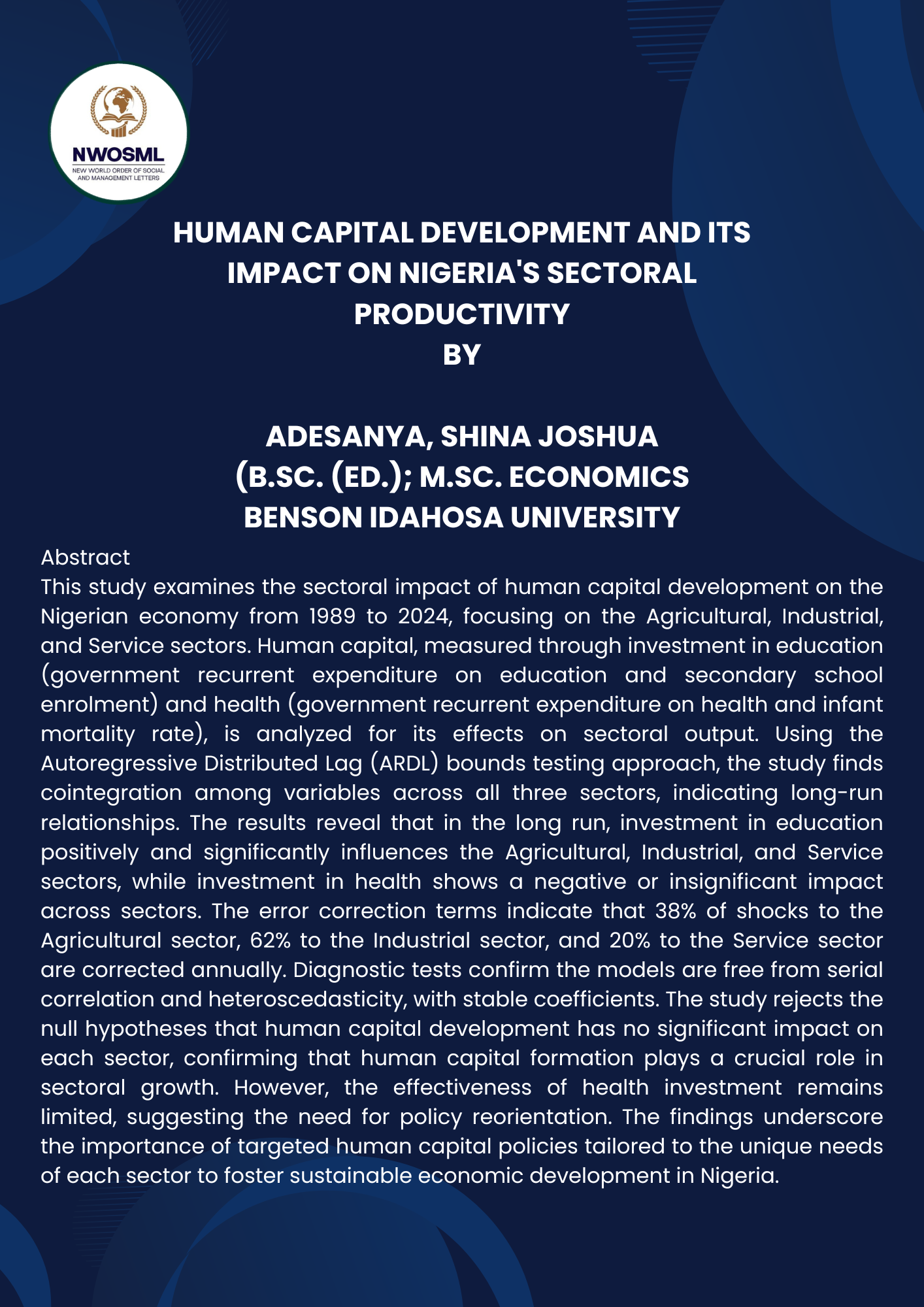
Human Capital Development and it’s impact on Nigerias’ Sectoral Productivity by Adesanya, Shina Joshua (B.Sc. (Ed.); M.Sc. Economics Benson Idahosa University
The state of a nation’s economic performance can be hinged on the prowess of its human resources. How developed the human resources of that nation are depends on how much the nation invests in human capital development. Human resources play a crucial role in the development of any economy.
Human capital is an instrument for competitive advantage since it consists of the process of training, knowledge acquisition (education), initiatives, and so on, all of which are geared towards skill acquisition, which is needed to induce productivity. The development of human resources was seen as an issue in the past, as issues that are only attributed to the industrialized nations. After different attempts at development failed in Nigeria, renewed attention was then directed towards developing the human resource and not only passive natural resources (Olusanya, 2016). Human capital refers to a country’s human resources’ abilities and capabilities, whereas human capital formation refers to the process of obtaining and expanding the number of people with the skills, education, and experience necessary for a country’s economic growth and development. For this purpose, effective human capital investment is a critical component of long-term economic growth and increased productivity (Okumoko, Omeje, & Udoh, 2018). ReadMore…
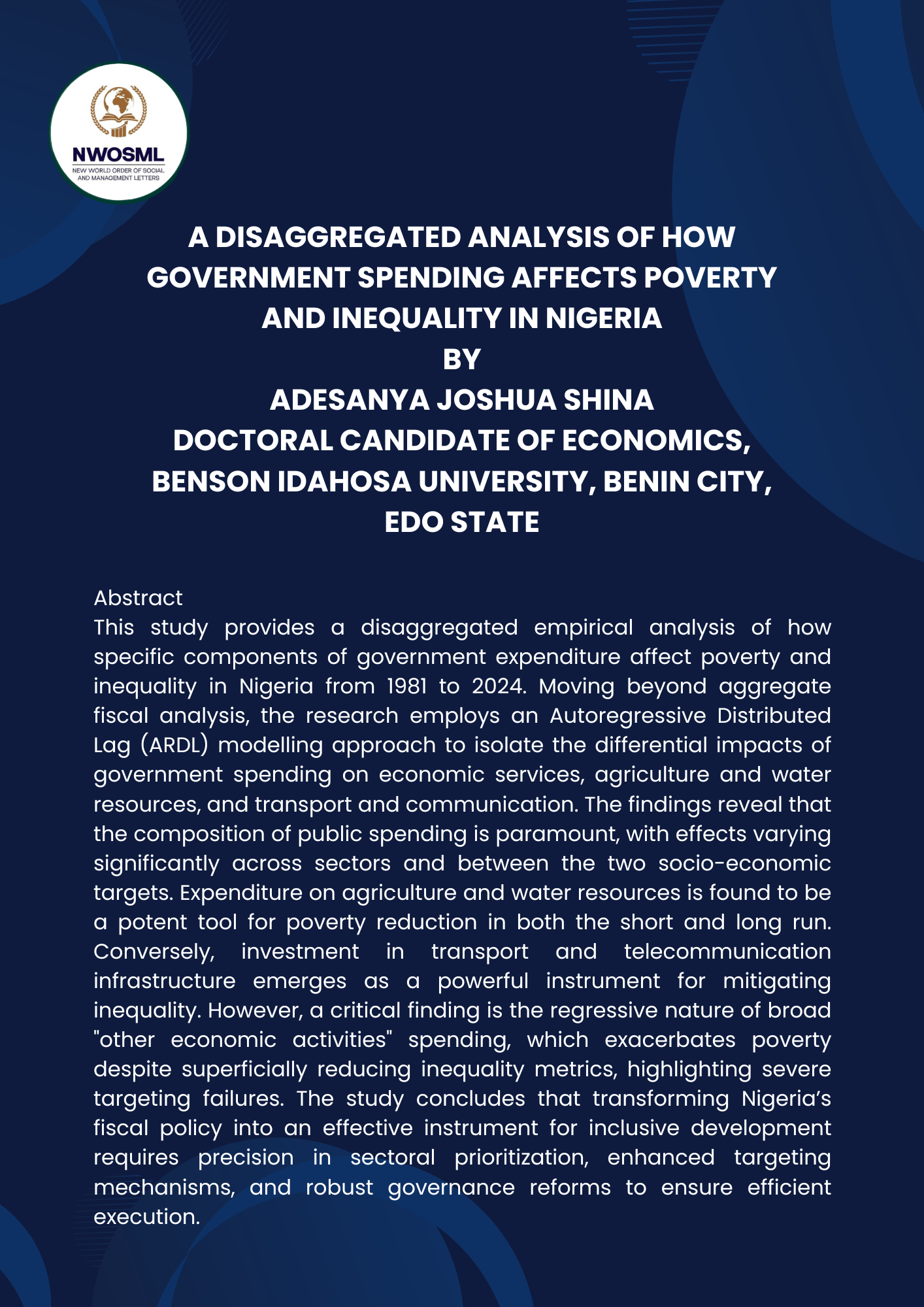
A Disaggregated Analysis of how Government Spending affects Poverty and Inequality in Nigeria By Adesanya Joshua Shina Doctoral Candidate of Economics, Benson Idahosa University, Benin City, Edo State.
Nigeria, Africa’s largest economy and most populous nation, presents a stark development paradox characterized by robust macroeconomic figures coexisting with profound and pervasive socio-economic deprivation. Despite possessing vast natural resources, particularly hydrocarbons, and having recorded an estimated average Gross Domestic Product (GDP) growth of 2.4% between 2020 and 2023 (World Bank, 2024), the benefits of economic activity remain narrowly concentrated. The National Bureau of Statistics (NBS, 2022) reported that 63% of Nigerians (approximately 133 million people) are multidimensionally poor, suffering deprivations in education, health, and living standards. Monetary poverty is equally severe, with 40.1% of the population living below the national poverty line of 137,430 Naira per year (NBS, 2020). Concurrently, inequality persists at alarming levels; Nigeria’s Gini coefficient was estimated at 35.1 in 2022 (World Bank, 2024), with significant disparities entrenched along geographical and rural-urban divides. The North-West and North-East geopolitical zones exhibit poverty headcount rates exceeding 70%, dramatically higher than the South-West’s approximately 30% (NBS, 2020). This landscape of entrenched poverty and high inequality not only represents a humanitarian crisis but also poses a fundamental threat to the nation’s social cohesion, political stability, and sustainable development. Read more
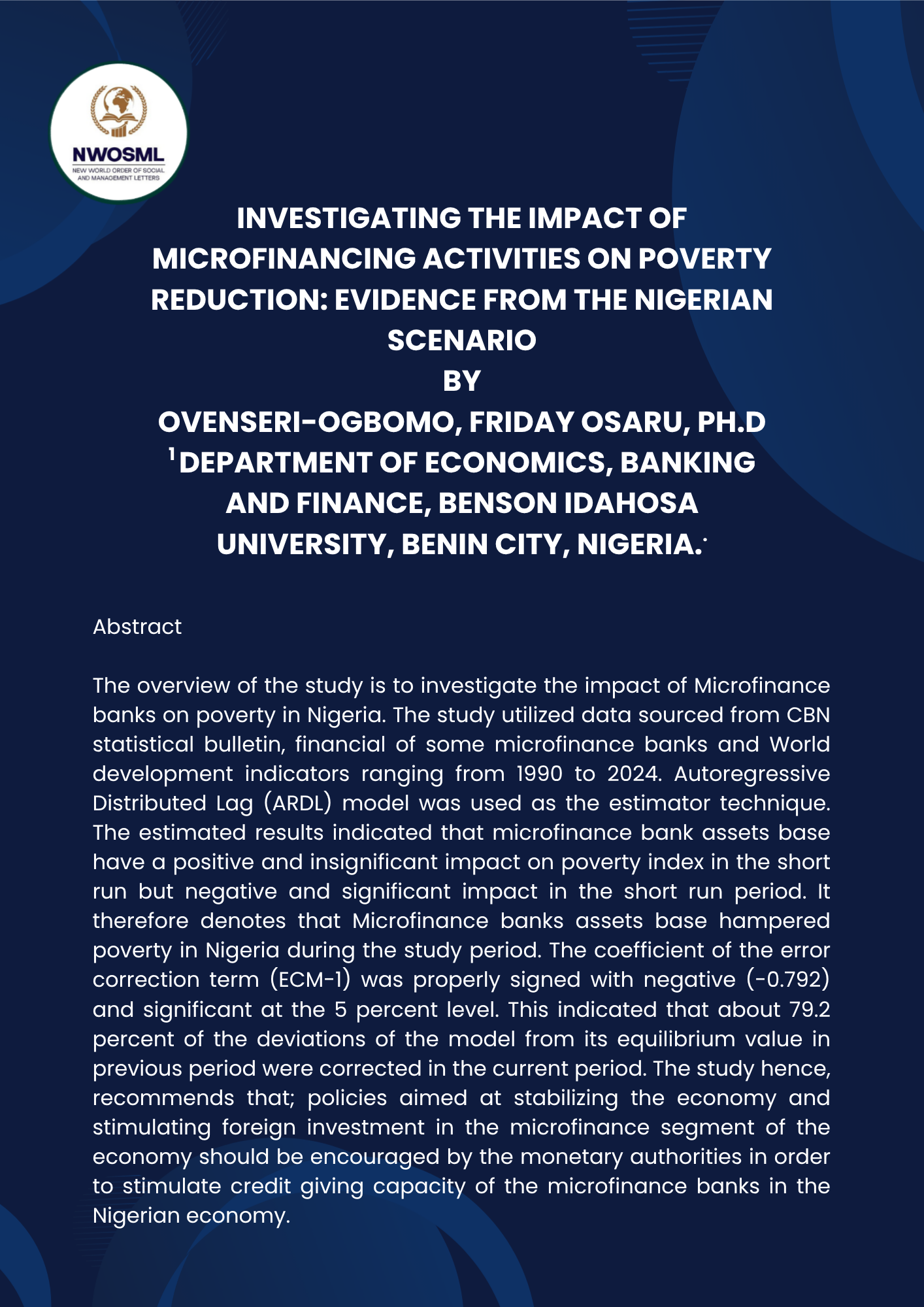
INVESTIGATING THE IMPACT OF MICROFINANCING ACTIVITIES ON POVERTY REDUCTION: EVIDENCE FROM THE NIGERIAN SCENARIO By OVENSERI-OGBOMO, Friday Osaru, Ph.D
Background to the Study
In most cases, individuals whose economic rights are undermined can easily fix up their lives with the provision of minimal income or resources. Micro-financing becomes a veritable instrument in gradually pulling impoverished individuals from abject poverty and predetermined squalor. All over the world, many people in different societies have been plagued by extreme poverty. Approximately 40% of the global population lives below the poverty line (World Bank, 2019). The same report from the World Bank shows that several persons in the global south lack access to formal financial services, and are impoverished as a result. Consequently, countries have promoted sustainable economic development through diverse financial policies targeted at poverty reduction. One of such financial policies is the microfinance scheme. To effectively eradicate poverty, the finance and economic experts have extensively commented on the potency of microfinance banking. Hence, microfinance policies have predominantly been featured as a poverty reduction strategy across the world (Thrikawala, Locke, & Reddy, 2013). It is based on this premise that microfinance banks are established to extend affordable and accessible financial services to the low-income earners who are often excluded from accessing formal financial services due to high lending rate and collateral demands associated with large financial institutions like commercial banks, lack of bank branches and financial illiteracy in the rural areas, the high tendency of credit default risk among the poor, etc. (CBN, 2020). In Nigeria, like other developing countries, microfinance institutions avail the major source of funds for microenterprises that are usually owned by low-income earners (or the economically active poor). Read more
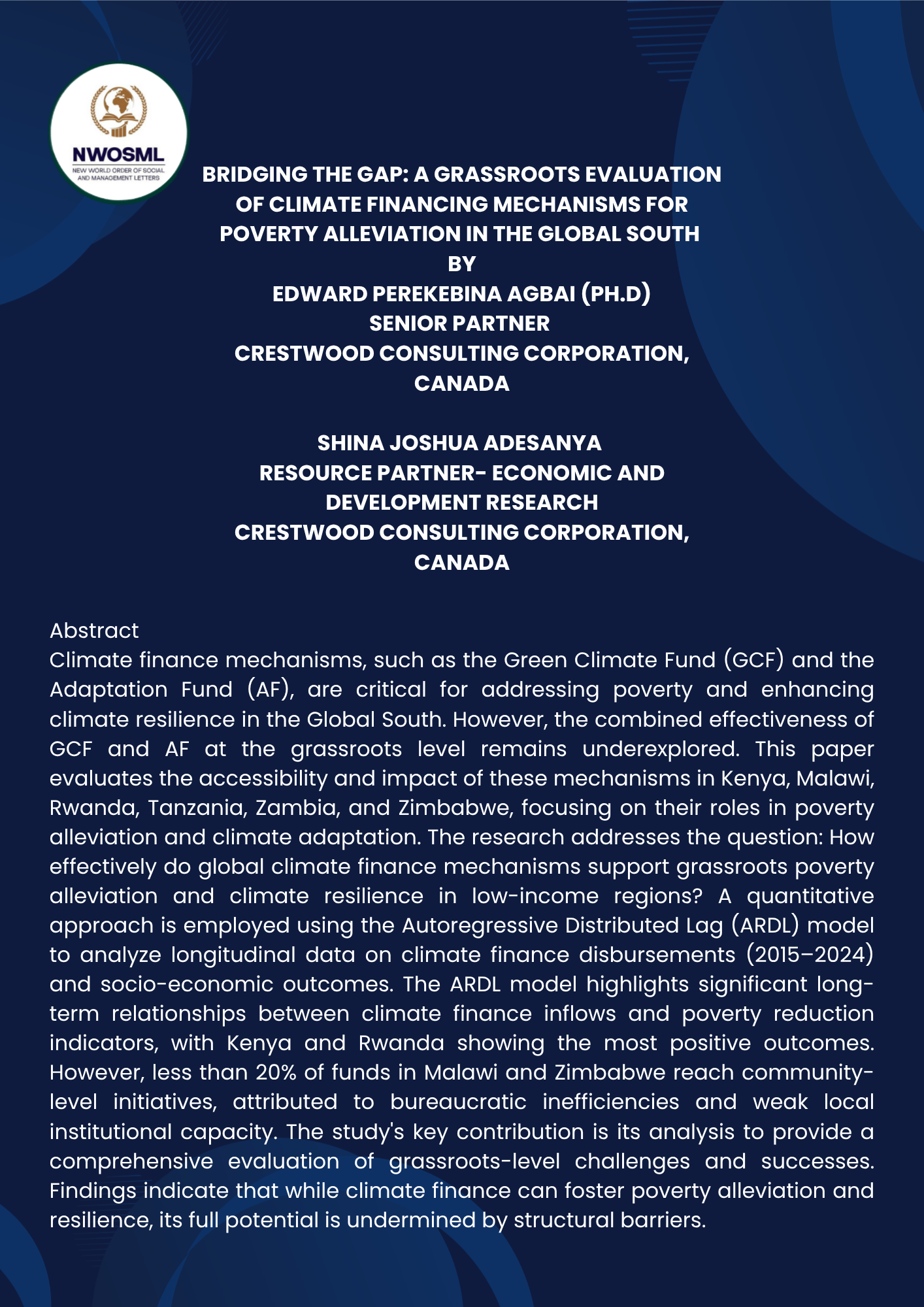
Bridging the Gap: A Grassroots Evaluation of Climate Financing Mechanisms for Poverty Alleviation in the Global South By Edward Perekebina Agbai (Ph.D) Senior Partner Crestwood Consulting Corporation, Canada. Email: edward.agbai@crestwoodconsulting.ca
Shina Joshua Adesanya Resource Partner- Economic and Development Research, Crestwood Consulting Corporation, Canada. Email: shina.adesanya@crestwoodconsulting.ca
Background of Study
Climate change poses a significant challenge to global development, particularly in the Global South, where vulnerable populations are disproportionately affected by its impacts. Rising temperatures, erratic weather patterns, and extreme events such as floods and droughts exacerbate poverty, food insecurity, and inequality (IPCC, 2022). To address these challenges, international climate finance mechanisms have been established to support mitigation and adaptation efforts in developing countries. These mechanisms, such as the Green Climate Fund (GCF) and the Adaptation Fund (AF), aim to reduce greenhouse gas emissions while simultaneously enhancing climate resilience and alleviating poverty.
Climate finance refers to financial resources allocated to support climate change mitigation and adaptation activities. It is a critical component of global efforts to combat climate change, particularly in low-income countries that lack the financial capacity to implement large-scale climate interventions. The Green Climate Fund (GCF), established in 2010 under the United Nations Framework Convention on Climate Change (UNFCCC), is one of the largest climate finance mechanisms. It aims to support developing countries in limiting or reducing their greenhouse gas emissions and adapting to the impacts of climate change (GCF, 2023). Similarly, the Adaptation Fund (AF), created under the Kyoto Protocol, focuses specifically on financing adaptation projects and programs in vulnerable communities (Adaptation Fund, 2023). These mechanisms are designed to address the dual challenges of climate change and poverty by funding projects that promote sustainable development, such as renewable energy initiatives, climate-resilient agriculture, and infrastructure development. Read more
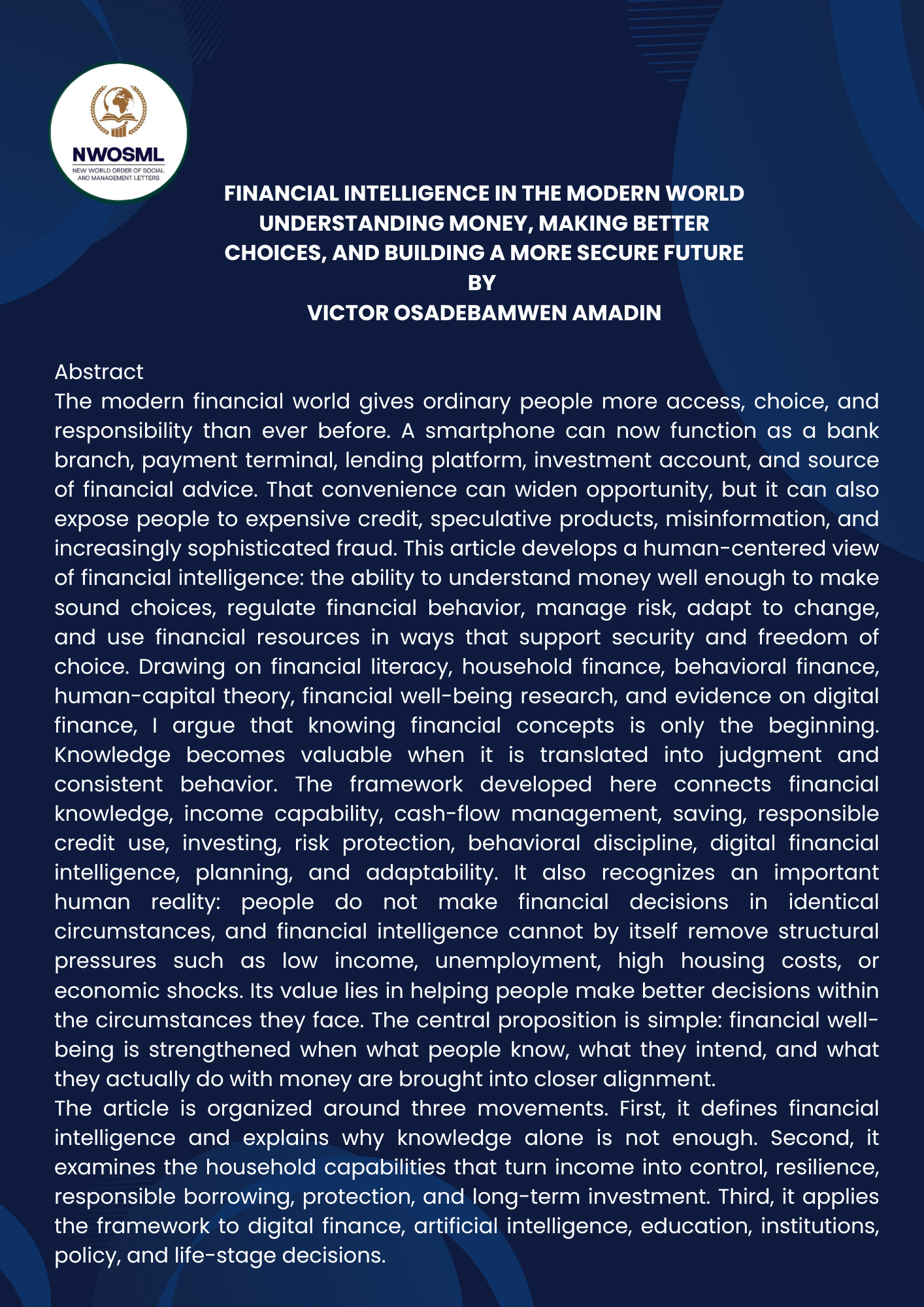
Financial Intelligence in the Modern World Understanding Money, Making Better Choices, and Building a More Secure Future By Victor Osadebamwen Amadin
Introduction
Most of us spend a large part of our lives working for money, yet surprisingly little of our formal education prepares us for what to do with money once we earn it. We learn how to qualify for employment, build a career, run a business, or pursue a profession, but many people reach adulthood before anyone has seriously explained how interest compounds, how debt can quietly consume future income, why an emergency fund matters, or how to distinguish long-term investing from speculation. This gap matters because money is not an abstract subject. It affects where we live, the opportunities available to our children, our ability to survive an emergency, the choices we can make at work, and the kind of retirement we may eventually experience. The challenge has become more urgent because finance is now woven into everyday technology. A person can open an account, transfer money, obtain credit, purchase securities, use a digital wallet, or commit to a long-term financial obligation in minutes. The ease of pressing a button can hide the difficulty of understanding the consequences. Technology has made it easier to do things with money; it has not necessarily made it easier to make good decisions about money. OECD evidence illustrates the gap between access and effective capability.
To make the argument easier to follow, the article proceeds in five connected movements. It first establishes the theoretical foundations of financial intelligence, then turns to the core household capabilities that shape day-to-day financial control. It next examines modern risk environments such as digital finance, fraud, and artificial intelligence, before presenting an integrated framework and applying it across life stages, institutions, and policy settings. The article concludes by returning to the central claim that financial well-being depends on alignment between capability, behavior, protection, and adaptation. Part I establishes the foundations and organizing logic by defining financial intelligence, explaining why knowledge alone is insufficient, and introducing the conceptual approach used throughout the article. Read more
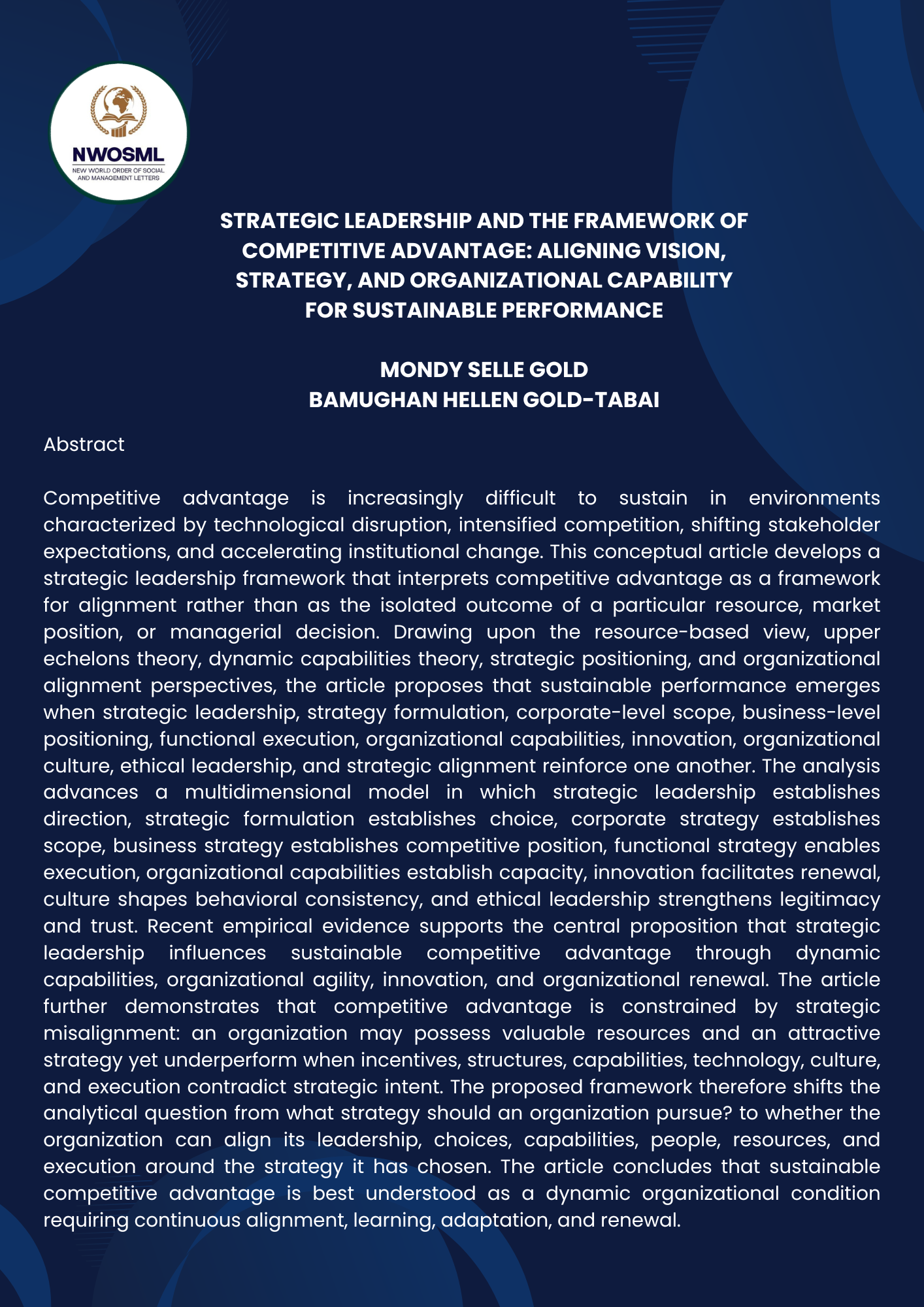
Strategic Leadership and the Framework of Competitive Advantage: Aligning Vision, Strategy, and Organizational Capability for Sustainable Performance By Mondy Selle Gold Bamughan Hellen Gold-Tabai
Introduction
The history of business is replete with organizations that possessed impressive resources, substantial market share, recognized brands, and considerable financial strength, yet failed to preserve their competitive position. Conversely, relatively young or modestly resourced organizations have sometimes transformed industries by recognizing opportunities earlier, serving customers differently, deploying resources more intelligently, or creating capabilities that competitors found difficult to reproduce. The distinction is important because it reveals a fundamental truth about strategic management: resources alone do not constitute competitive advantage; what matters is how leadership converts resources, knowledge, capabilities, and strategic choices into superior value.
Competitive advantage is therefore not simply a matter of being better than competitors in a general sense. It involves establishing a position that permits an organization to create greater customer value, operate at lower relative cost, differentiate its offerings, or serve a strategically defined market more effectively than rivals. Porter (1985) placed the activities through which organizations create, produce, market, and deliver their offerings at the center of competitive advantage. His value-chain perspective remains consequential because it shifts attention away from vague claims about organizational excellence toward the specific activities through which value and cost are actually generated.
Yet strategy does not formulate itself. Organizations require leaders who can interpret complex environments, establish priorities, make consequential choices, mobilize people, allocate scarce resources, and maintain institutional coherence when circumstances change. Strategic leadership therefore occupies a pivotal position between organizational aspiration and organizational performance.Ireland and Hitt (1999) argued that effective strategic leadership can itself become a source of competitive advantage, particularly when organizations operate in turbulent and unpredictable environments. Read more
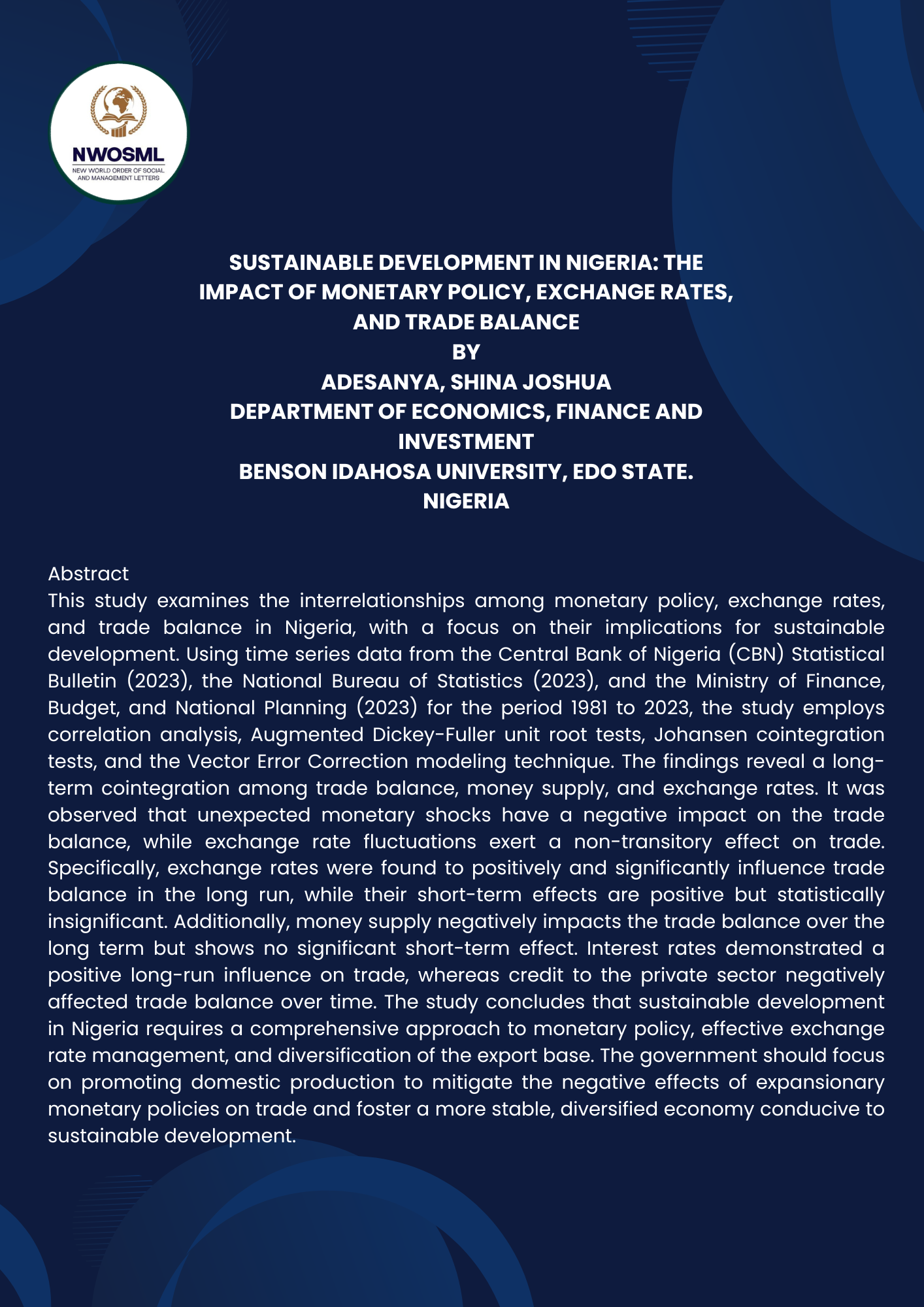
Sustainable Development in Nigeria: The Impact of Monetary Policy, Exchange Rates, and Trade Balance By Adesanya, Shina Joshua. Department of Economics, Finance and Investment Benson Idahosa University, Edo State. Nigeria
Introduction
Sustainable development, defined by the United Nations as development that meets present needs without compromising the ability of future generations to meet theirs (United Nations, 2020), has become a central focus for policymakers in developing countries. Nigeria, Africa’s largest economy, grapples with multiple challenges in achieving sustainable development, including managing the impacts of its monetary policy, exchange rates, and trade balance on economic growth. The complexities of these macroeconomic factors highlight the importance of formulating policies that promote not only economic expansion but also environmental and social sustainability.
Monetary policy plays a critical role in shaping the Nigerian economy. As a tool used by the Central Bank of Nigeria (CBN) to control inflation, manage liquidity, and stabilize the financial system, monetary policy has significant implications for long-term sustainable development (Olayinka & Ogunlana, 2021). The CBN’s adjustments to interest rates, money supply, and other financial levers directly affect the cost of borrowing, investment levels, and ultimately, economic growth. However, Nigeria’s heavy reliance on oil exports makes its economy vulnerable to external shocks, which in turn impact the effectiveness of monetary policies (Eze, 2021). Read more
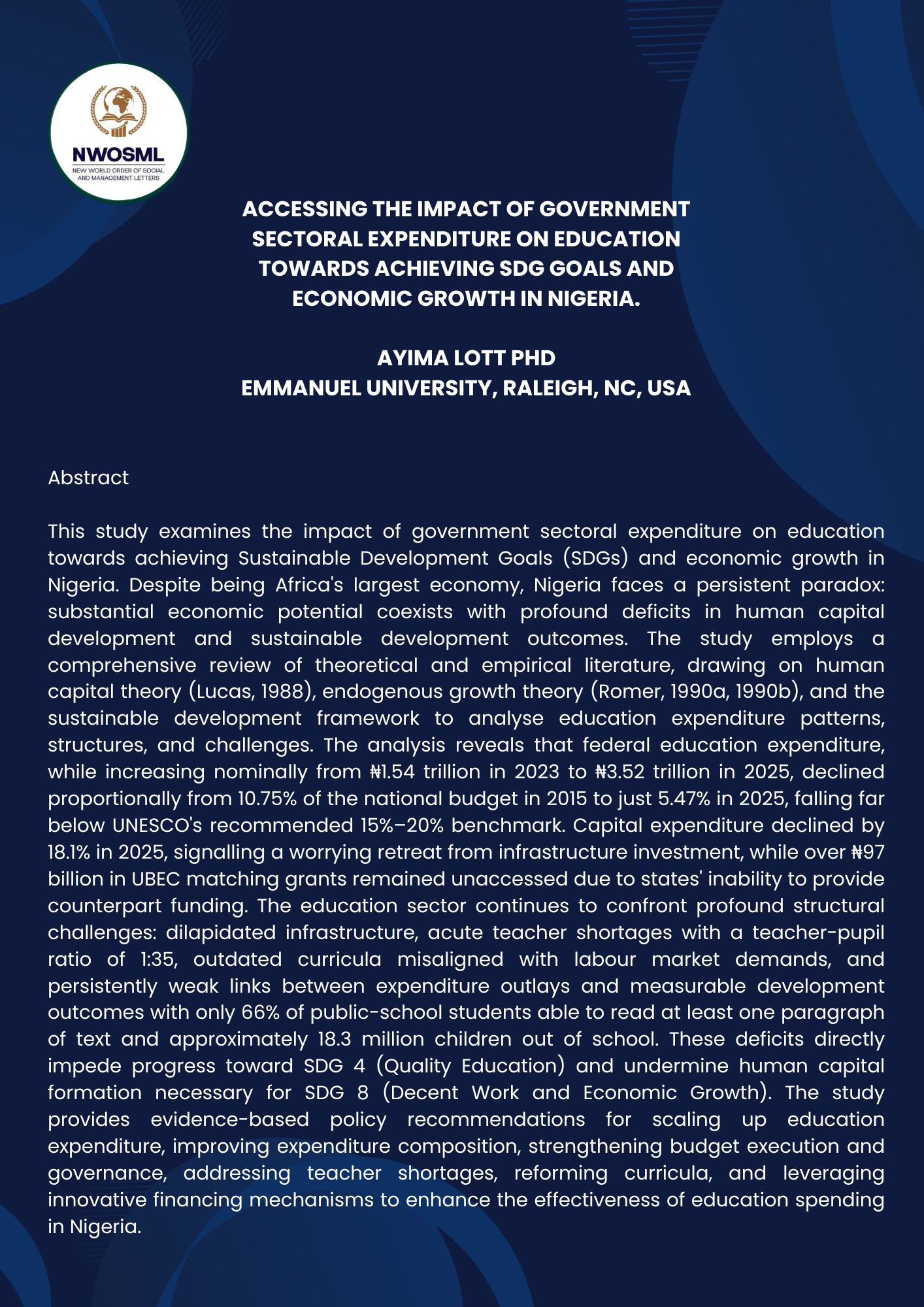
ACCESSING THE IMPACT OF GOVERNMENT SECTORAL EXPENDITURE ON EDUCATION TOWARDS ACHIEVING SDG GOALS AND ECONOMIC GROWTH IN NIGERIA. Ayima Lott PhD. Emmanuel University, Raleigh, NC, USA
Introduction
Sustainable development and inclusive economic growth are critical policy goals for developing countries, and human capital development is regarded as a key factor in the future prosperity of countries. Human capital theory argues that investment in education increases individuals’ productivity, develops skills to develop them and accelerates knowledge production and hence contributes to economic growth (Lucas, 1988). Endogenous growth theory further posits that education, technological innovation, and knowledge spillovers are the endogenous drivers of growth (Romer, 1990a, 1990b). In 1992, Mankiw, Romer, and Weil showed that human capital is a major factor in the differences in income between countries and found that it is in fact a key factor in different countries as well (Pelinescu, 2015; Sarwar et al., 2021). In the Nigerian context, Keji (2021) showed that human capital investment has a positive and significant impact on economic growth, similar to Krokeyi and Niyekpemi (2021) and Okoh (2025).
Government spending on education is the primary policy instrument through which states can influence human capital formation. Osuji and Nwani (2020) investigated whether government expenditure structures matter in the achievement of SDGs and concluded that expenditure composition and efficiency are critical determinants of SDG progress. Guerrero and Castañeda (2022) found that the allocation of expenditure is important to sustainable development outcomes and Sama, Oumar and Ndam (2025) found that public spending structure has an important role to play in sustainable economic development. Alonso-Morales, Sáez-Martín and Haro-de-Rosario (2025) also offered evidence of the social aspect of public spending in the context of sustainable development. Read more
Beyond Representation: Inclusive Leadership, Organizational Belonging, and the Strategic Framework of Diversity in Contemporary Organizations By Mondy Selle Gold.
Introduction
The contemporary organization operates within a demographic, cultural, and institutional environment of unprecedented complexity. Global migration, demographic transformation, technological connectivity, changing expectations regarding workplace fairness, and increasing recognition of historically marginalized identities have fundamentally altered the context in which leaders exercise authority. Consequently, leadership can no longer be evaluated exclusively according to financial performance, operational efficiency, or hierarchical authority. Increasingly, organizational leaders are also assessed according to their capacity to cultivate workplaces in which individuals from different backgrounds can contribute, belong, and participate meaningfully in organizational life.
This transformation has moved diversity, equity, and inclusion from the margins of organizational discourse toward the center of strategic and managerial inquiry. Yet the growing visibility of DEI initiatives has also exposed a persistent contradiction: organizational representation does not necessarily produce organizational inclusion. An institution may recruit employees from diverse backgrounds while simultaneously maintaining leadership structures, communication norms, performance systems, and decision-making processes that privilege a relatively narrow range of experiences. Consequently, diversity may become visible while acceptance remains elusive.
This distinction is fundamental to understanding inclusive leadership. Diversity refers broadly to the presence of meaningful differences among individuals, whereas inclusion concerns the extent to which those differences are recognized, respected, and incorporated into organizational participation. Inclusion, therefore, requires more than demographic presence; it requires the creation of conditions under which individuals can contribute authentically without being compelled to suppress important dimensions of their identity. Recent research has reinforced this distinction by demonstrating that inclusive leadership is associated with outcomes such as employee voice, creativity, innovative behavior, task performance, and organizational citizenship behavior (Li et al., 2025). Read more